
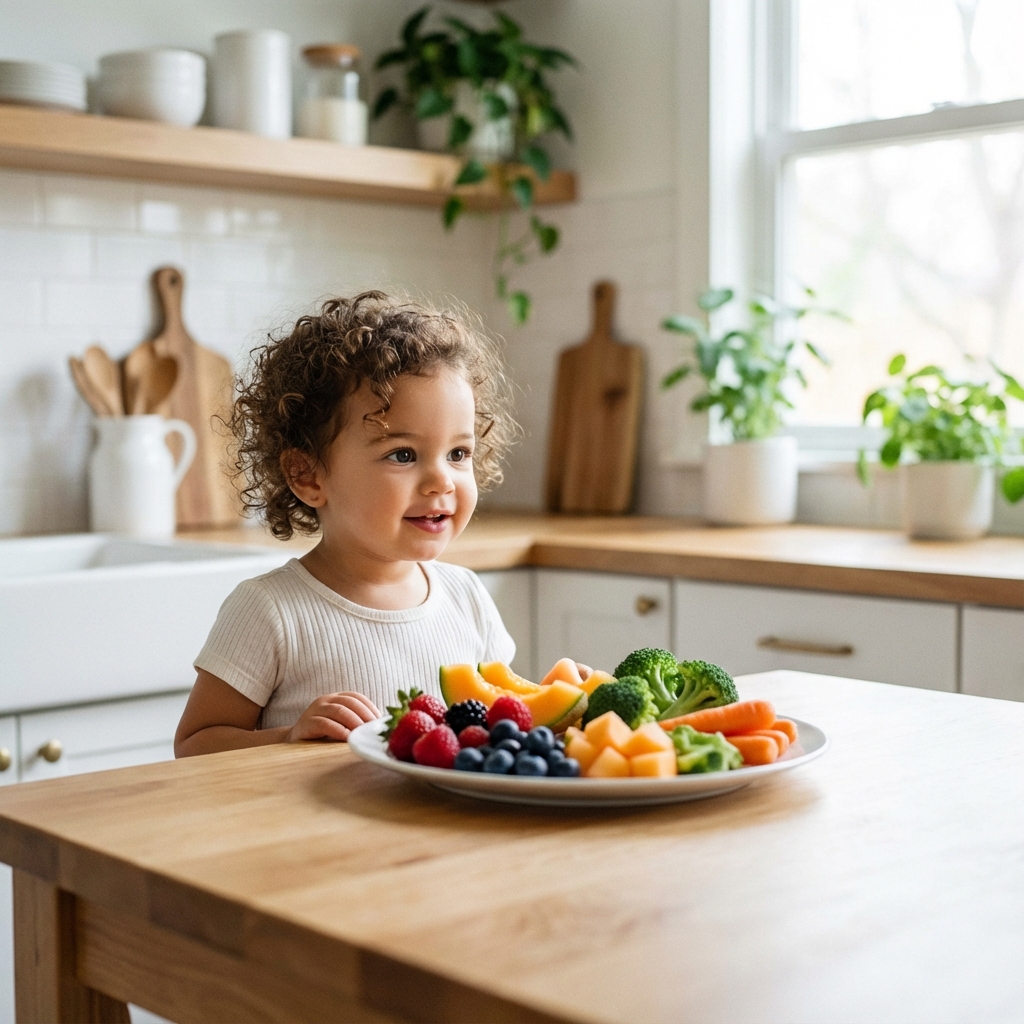
If dinner time in your house feels more like a negotiation room than a family meal, you aren't alone. As a pediatric dietitian (and someone who works with families every day), I know the heavy weight of "parental food guilt." You worry if they’re getting enough iron, if their growth is on track, or if they’ll ever eat something that isn't white, beige, or processed.
When you have a picky eater, the standard advice of "just hide the veggies" or "don't worry, they’ll eat when they’re hungry" often falls flat. True progress isn't about tricking your child; it's about understanding the sensory and developmental "why" behind their food aversions.
Let's break down how we move from power struggles to a peaceful table.
1. Understanding the "Why": Sensory vs. Behavioral
For many children, a refusal to eat broccoli isn't "naughtiness"—it’s a sensory overload.
- The Sensory Component: Some children are "super-tasters." A bitter note in a vegetable that tastes mild to you might taste like battery acid to them. Others struggle with textures—the "squish" of a tomato or the "crunch" of an onion can trigger a genuine gag reflex.
- The Developmental Component: Between ages 2 and 5, "neophobia" (fear of new things) peaks. It’s an evolutionary survival instinct!
2. The Division of Responsibility
One of the most transformative tools I teach parents is the Division of Responsibility (DOR), developed by Ellyn Satter.
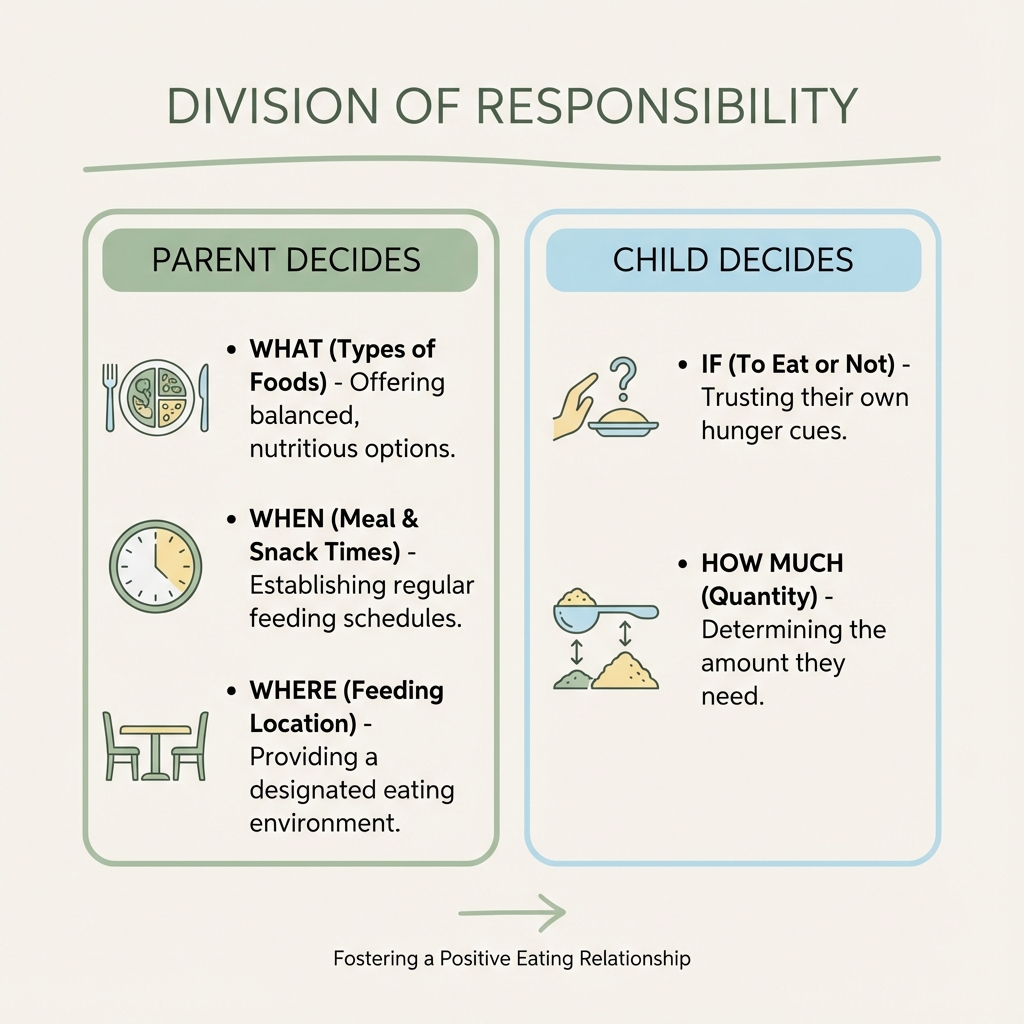
When parents and children stick to their roles, mealtime stress disappears.
- The Parent’s Job: You decide what is served, when it is served, and where it is served.
- The Child’s Job: They decide if they eat and how much they eat from what you provided.
When you stop "policing" the plate, the pressure lifts. When the pressure lifts, children feel safe enough to get curious about new foods.
3. The "Food Bridge" Strategy
We often try to jump from chicken nuggets to grilled salmon in one day. That jump is too big. Instead, use "Food Bridges."
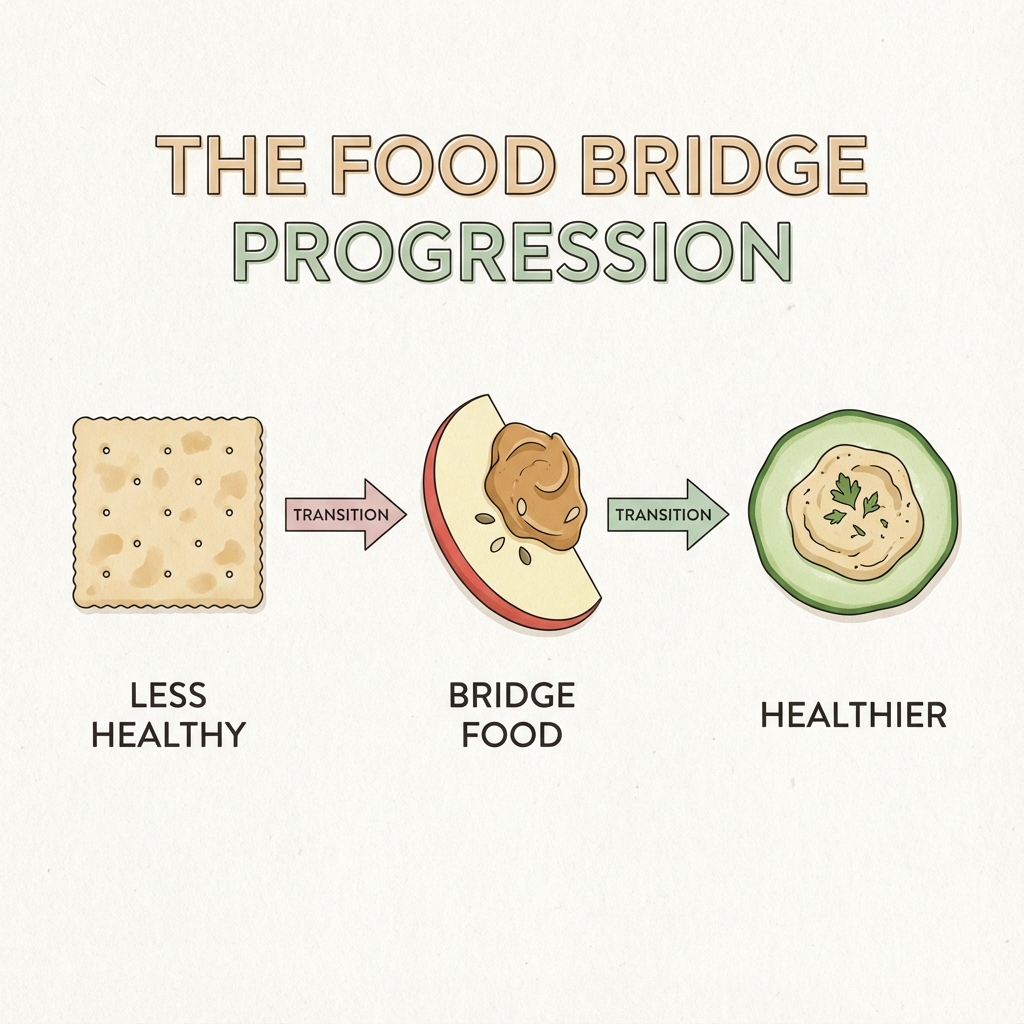
Small steps make new foods less scary.
- If your child loves crunchy salty snacks (pretzels), try thin apple slices with a tiny bit of salt, or roasted chickpeas.
- If they love smooth textures (yogurt), try a blended mild soup or a smoothie with a "hidden" neutral veggie like frozen cauliflower.
4. Gut Health and the "Picky" Connection
Did you know that the microbiome can actually influence food preferences? An overgrowth of certain bacteria or yeast in a child’s gut can drive cravings for simple sugars and refined carbs, making nutrient-dense foods even less appealing.
5. Creating a "Safe" Plate
Never serve a plate of only new or challenging foods. Always include at least one "safe" food—something you know they generally accept. This prevents the "adrenal spike" of fear when they sit down to eat, allowing their digestive system to stay in a "rest and digest" state.
Let’s Turn the Table Together
Raising a healthy eater is a marathon, not a sprint. You don't have to do it through trial and error. Whether your child has extreme sensory aversions, growth concerns, or you just want to start them off on the right nutritional foot, I’m here to help.
Ready to end the dinner time battles?
Let’s create a customized, stress-free plan to nourish your little one’s growing body and mind.
Book Pediatric Discovery Call